It’s Time to Pass the CHERISH Act

The 449th session of Maryland’s General Assembly kicks off this week on Wednesday, January 14, 2026. We’re diving in head first for this year’s 90-day sprint to pass transformative legislation that will improve community health, combat systematic environmental devastation caused by state-enabled corporations, and move us toward a more just and equitable future for our youth. 

Last year, the CHERISH Our Communities Act made its way through the General Assembly as SB 978 / HB 1484 sponsored by Sen. Clarence Lam (D12) and Del. Jazz Lewis (D24), but stalled in House and Senate committees.

Since then, we’ve continued organizing, and we’re going all-in on the bill again this year with our ever-expanding coalition of environmental justice partners. The CHERISH Our Communities Act follows examples set by lawmakers in New Jersey, New York, and Minnesota to create new permitting requirements for facilities that have major environmental impact on nearby communities. It also gives Maryland Department of Environment a clear mandate—and the authority—to consider environmental justice when making permit decisions. 

If the bill passes in 2026, residents in the most polluted neighborhoods across the state will be protected from new facilities that would make the pollution problem even worse. Pollution from existing facilities will also have to decrease. Meanwhile, positive development that doesn’t harm people’s health will be free to thrive

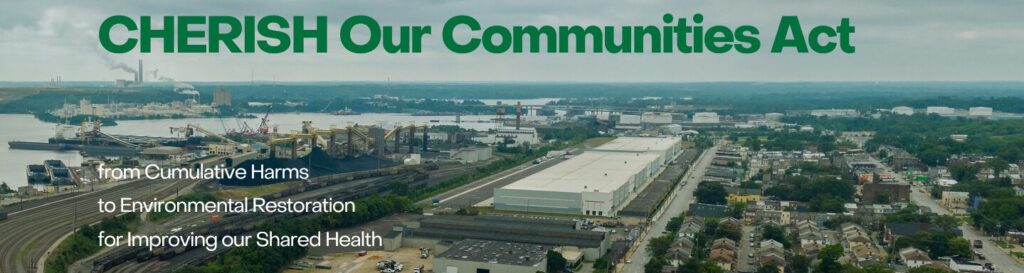
Fun fact: CHERISH was named by Carlos, SBCLT’s very own youth outreach specialist. CHERISH = from Cumulative Harms to Environmental Restoration for Improving our Shared Health

Take action to pass CHERISH in 2026 by following the links below!

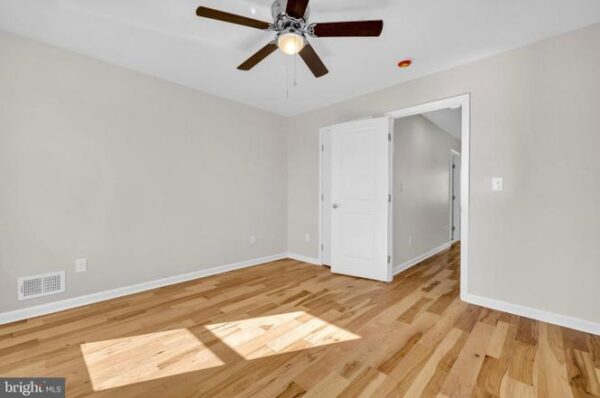
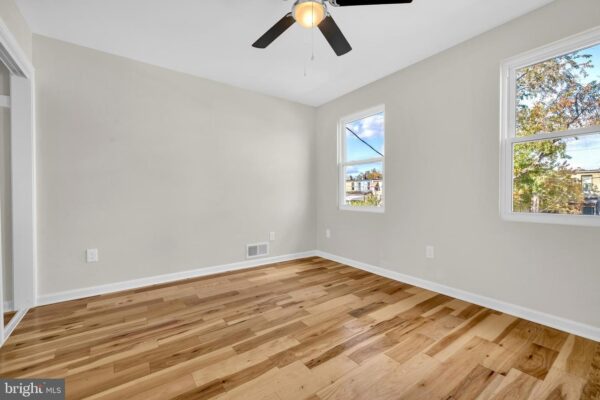
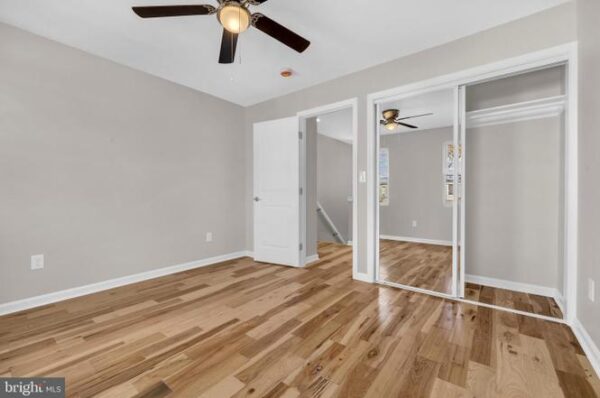
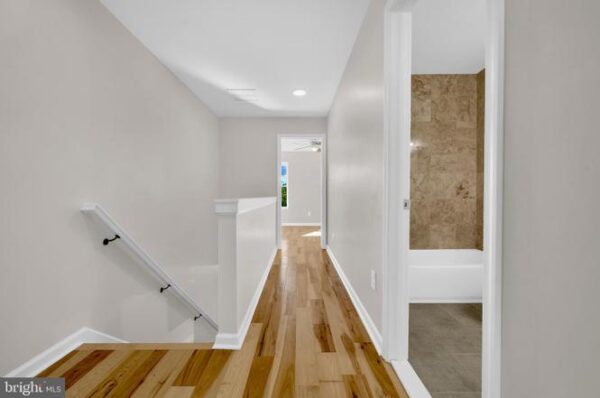
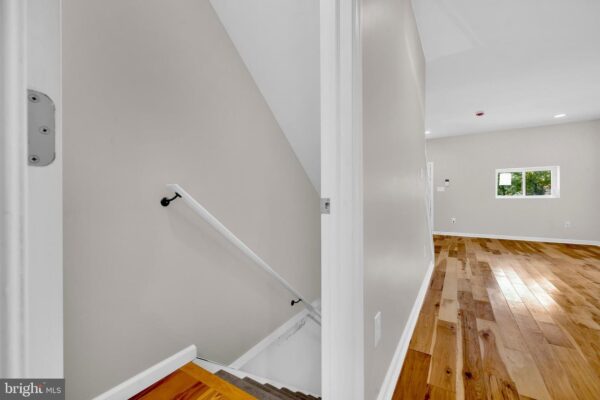
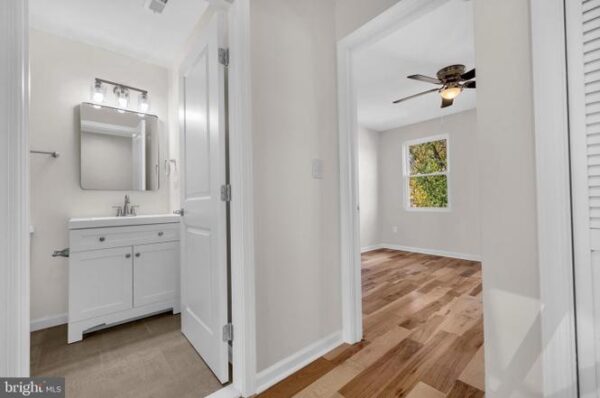
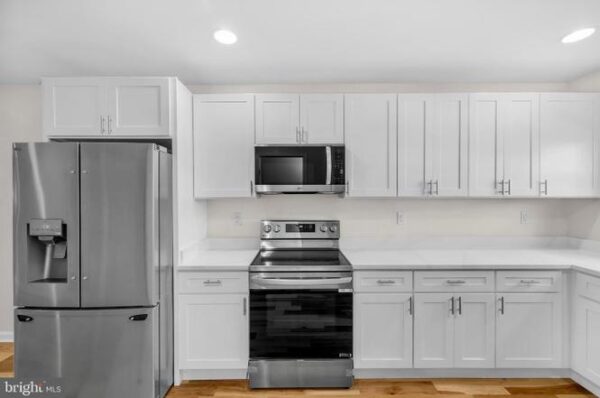
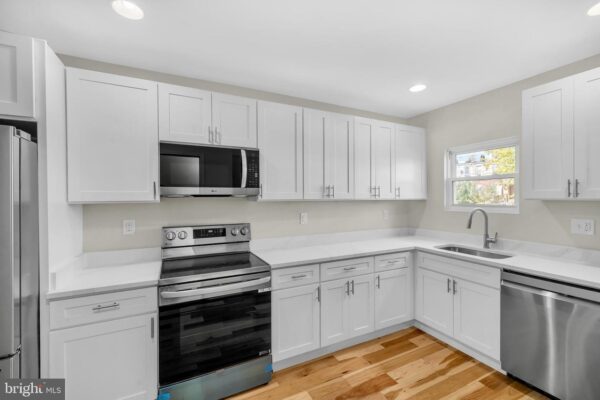
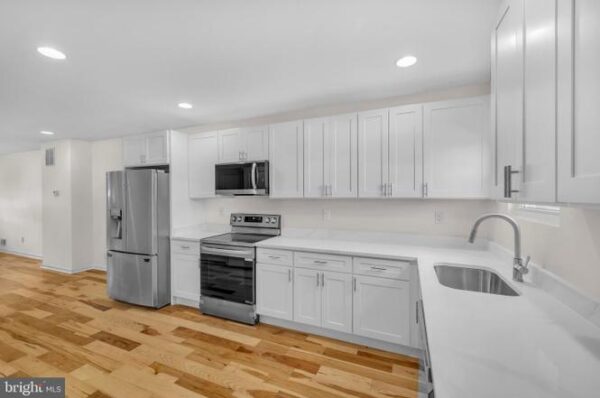
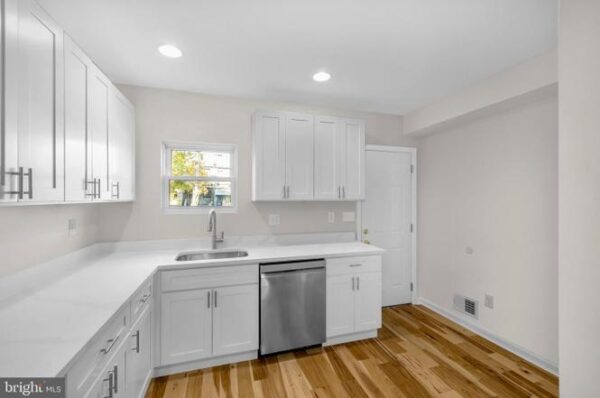
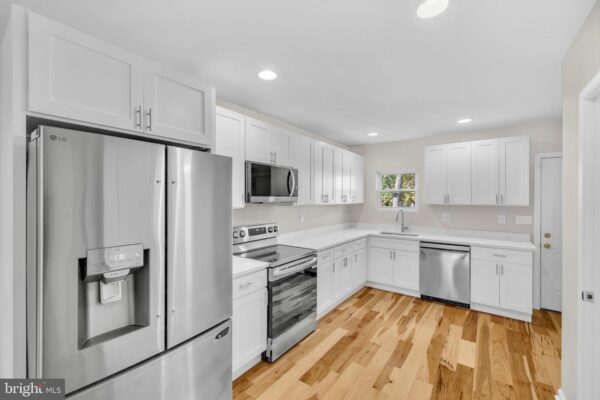
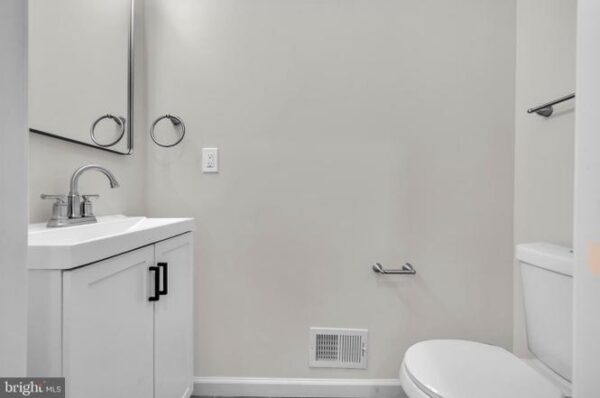
Our second home renovation has hit the market!

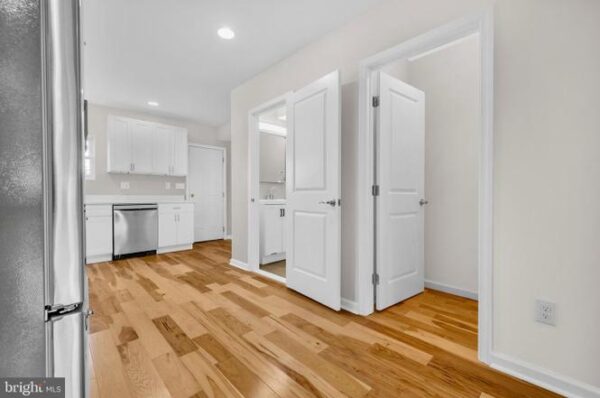
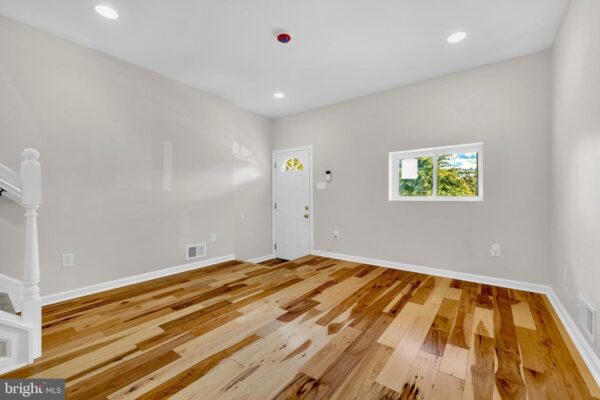
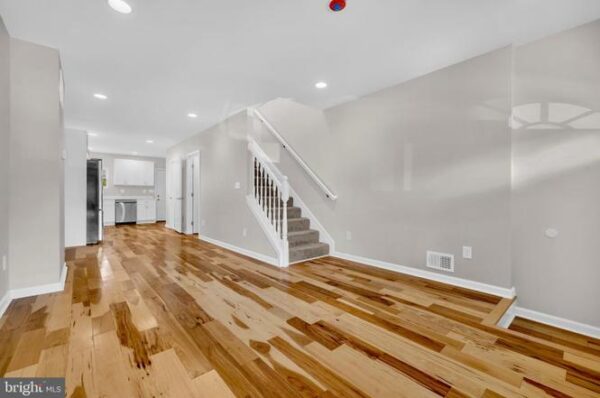
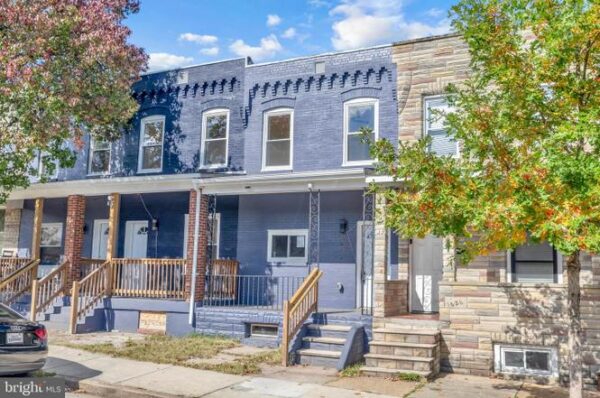
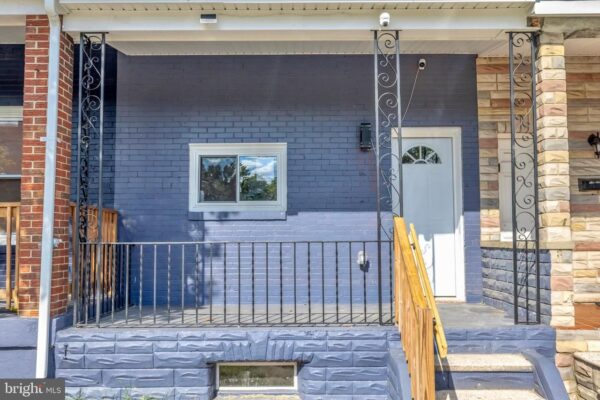
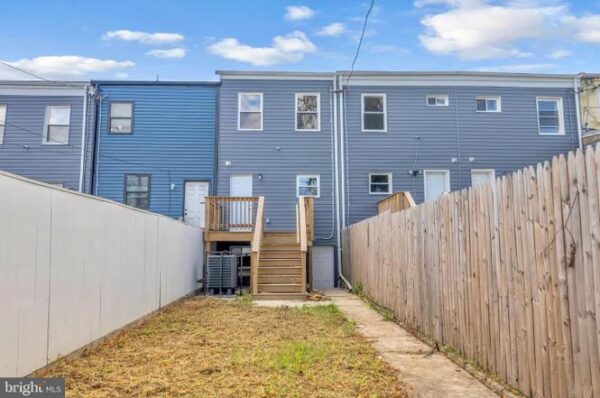
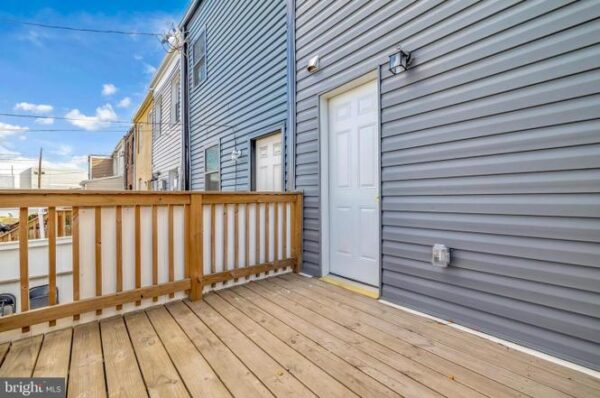
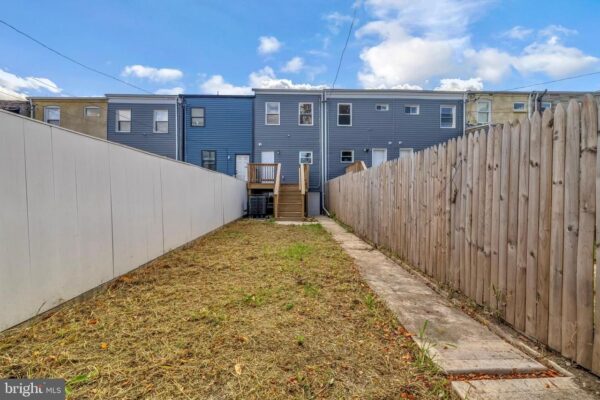
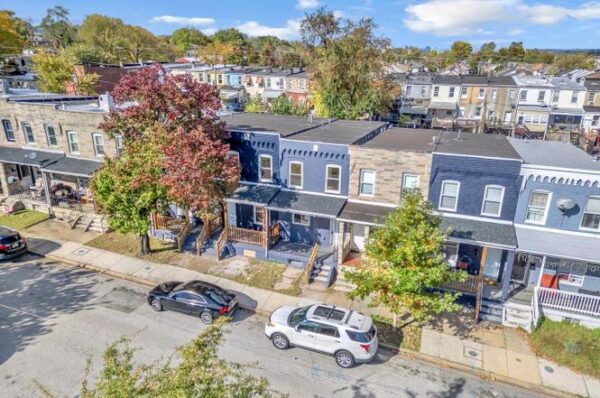
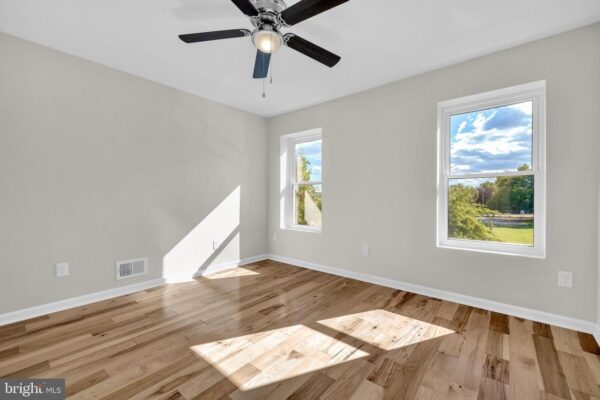
1626 Hazel Street is currently for sale. Interested buyers can reach out to our Stewardship Coordinator today to schedule a viewing and learn about what it means to buy from South Baltimore Community Land Trust.

This home is part of the block of homes that started it all: In 2017, a three-alarm fire displaced two dozen residents from the 1600 block of Hazel Street. When the city put the 9 damaged homes into receivership, our vision for community transformation started to take shape.

What if…

… we bought homes on the block and put them into a community land trust?
… we prevented speculators and malicious landlords from capitalizing on this tragedy?
… we kept these homes permanently affordable so that opportunities are handed down from generation to generation?
… we stewarded this neighborhood in a way that returns community power to the people who live here?

And that’s the origin story of the South Baltimore Community Land Trust!

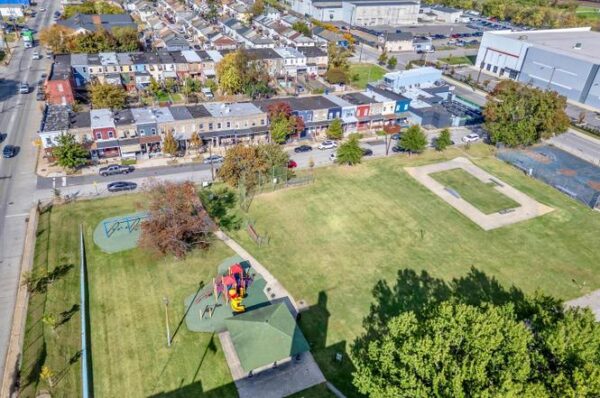
1626 Hazel Street is a beautiful 2 bedroom/1.5 bath renovation. It’s part of a cluster of SBCLT homes that overlook Curtis Bay Park — you’ll have a playground, picnic pavilion, and space for your dog to run around just out your front door. Plus, you’ll be just around the corner from the new South Baltimore Environmental Justice Center! View the real estate listing here, and let us know if you’re ready to explore homeownership with SBCLT.

We’re looking back at our highlights of 2025 as we count down to the new year. Celebrate these 12 victories with us!

12. We completed our first permanently affordable home rehabs and welcomed our first homeowner!

Celebrating our first homeowner at her closing!

11. SBCLT was selected as one of 27 communities across Maryland to launch ENOUGH: Engaging Neighbors, Organizations, Unions, Government, and Households. As the host organization of Brooklyn/Curtis Bay ENOUGH, we are part of a targeted initiative to end childhood poverty in Brooklyn and Curtis Bay. Kayla Smith, our BCB ENOUGH organizer, attended training at the William Julius Wilson Institute and has built a superstar team of community resident leaders who are organized, passionate, and ready to end child poverty!

Brooklyn/Curtis Bay ENOUGH leaders

10. We continued to call for city and state funding for municipal compost and a transition plan away from incineration. 

9. SBCLT and our allies hosted a rally to announce new research on the true costs of living in an overburdened community — waste incineration in Baltimore City causes $36.9 million/year (!!!) in health damages. Read the report here.

Scenes from the July 25 rally. Councilman Blanchard (pictured holding his son) emphasized role of Baltimore City in maintaining existing inequitable systems and the city’s role in correcting it. 

8. In September, we co-hosted the 11th Annual Environmental Justice and Health Disparities Symposium of the Center for Community Engagement, Environmental Justice, and Health (CEEJH), participating in multiple plenary sessions and hosting solidarity tours in South Baltimore for guests from around the world.

7. SBCLT youth from Benjamin Franklin High School created, designed, and launched Toxic Overburden: 100 Years of Environmental Injustice and Resistance, a professional museum exhibit about the  policies, practices, and budgets that have made our state and city officials complicit in ongoing environmental violence. The exhibit was the culmination of years of collaboration, research, and documentation with Dr. Nicole Fabricant of Towson University, and was on display at the Peale Museum and Baltimore Unity Hall.

The Peale Museum exhibit pictured here was on display from April 10, 2025 – June 29, 2025.

6. We hosted a Day of Service with the General Assembly of the Unitarian Universalist Association that brought together volunteers from all across the country and our local communities to clean SBCLT project sites, including beautifying a lot to serve as a food distribution site for Black Yield Institute.

5. Our Mural Arts training program was a 10-week paid internship for local high school students to learn about community engagement, collaborative design, technical preparation processes of mural creation, and financial literacy. 

Scenes from our summer Mural Arts training program!

4. SBCLT staff and board traveled to Puerto Rico to share stories of resilience and learn from the inspiring environmental justice leaders of Casa Pueblo in Adjuntas, Puerto Rico. Thank you to our former and forever intern Annalisa Jenkins for uniting our groups in solidarity, and a huge thank you to Princeton University and Goldman Environmental Prize for supporting our trip! 

At Casa Pueblo, we were honored to meet and learn from environmental justice leaders from Puerto Rico and Bolivia.

3. We became one of 16 community organizations in Baltimore City to receive investment from the Baltimore Vacants Reinvestment Initiative (BVRI). This program unlocks access to redevelopment construction loan financing to address vacancies around our South Baltimore development clusters, and will help us move forward in our mission of creating permanently affordable housing and development without displacement!

2. We broke ground on our new community hub! The South Baltimore Environmental Justice Center will be a space where citizen science research can take place, where community organizations can gather, and where residents can turn for support and information about the environmental burdens we face. We’re making progress on the renovation, and we’re starting the new year with a new look thanks to our community mural project with artist kolpeace! 

1. We were surrounded by a generous, thoughtful, passionate, and visionary community of donors, sustainers, grantors, and volunteers. Because of YOU, we pushed through a challenging year and are able to look toward 2026 with an abundance of blessing and hope.

We can’t wait to see you at our MLK Day of Service on Saturday, January 17, 2026 or at our first-ever fundraiser event, Harvest of Hope, on Saturday, April 18, 2026!

Support our mission in 2026

Home » News & Resources

Giving Tuesday 2025

We know your email inbox is overflowing with giving appeals today, and we don’t expect you to open and read them all… not even ours. But in case you happen to open this one (!), we want to take this opportunity to tell you that by the end of 2025, we will have completed SIX home rehabs this year in South Baltimore. 🎊🎉

Earlier this year, Mercy and her family moved into a permanently affordable house in the Brooklyn neighborhood that SBCLT developed. 

“From start to finish, your clear communication and attention to details ensured everything went smoothly and efficiently,” Mercy wrote to us afterward. “Thank you for helping us with our girl’s school. This is indeed not just community, but family.”

SBCLT exists to create ✨permanently affordable housing✨ and ✨development without displacement✨ in South Baltimore. This work is only possible because of our community of partners, supporters, donors, and volunteers. Make a donation today to help us build even more homes in 2026!

Together, we can help families like Mercy’s build their futures in South Baltimore. Give today to help us build more houses in 2026!

This article was published on the Maryland Department of Housing & Community Development website on August 19, 2025. Read it on the DHCD website here: https://news.maryland.gov/dhcd/2025/08/19/reinvest-baltimore-brings-critical-financial-boost-to-south-baltimore-community-land-trust-curtis-bay-neighborhood/


South Baltimore Community Land Trust was created with a clear mission: to create people first, community-owned development without displacement and zero waste in Baltimore.

“SBCLT believes that people directly impacted by environmental, economic and racial injustice must be in the lead to create development that regenerates our communities and our planet,” said Meleny Thomas, executive director of the South Baltimore Community Land Trust. “Building on this belief, we take land out of the extractive speculative sector and put it into the hands of the community to advance a proactive vision for development without displacement and zero waste.”

In July, SBCLT received critical funding to its mission to reshape Curtis Bay in the form of a Baltimore Vacants Reinvestment Initiative award, through a unique funding partnership between the Maryland Department of Housing and Community Development (MD DHCD) and the Maryland Community Investment Corporation.

On July 7, Governor Moore announced $30 million in BVRI funding that will go toward 16 community development organizations – including SBCLT – and their development partners.

SBCLT After Photo

A home created through the South Baltimore Community Land Trust. (Photos courtesy South Baltimore Community Land Trust)

The funding given to SBCLT will support its “Rise, Reclaim, Rebuild Homeowner and Renter Initiative” in Curtis Bay, which focuses on stabilizing housing for local residents.

“What makes our model unique is the ongoing stewardship we provide to homeowners,” Thomas said. “We help residents navigate the challenges of homeownership — everything from property maintenance and budgeting to understanding property taxes and accessing available resources. We also work closely with partners to offer continued education, ensuring families are supported well beyond the purchase of their home.”

SBCLT Before and After

The before and after work of the South Baltimore Community Land Trust. (South Baltimore Community Land Trust photos)

Thomas added that money from BVRI and other state funds will be forever connected with the neighborhood.

“The grant dollars invested in each home stay with the property, not the individual, which helps keep it permanently affordable for future buyers,” she said. “This approach not only benefits the initial homeowner but ensures long-term affordability for generations to come.”

The plan is for this award to help springboard SBCLT into additional help in the future, Thomas said.

“We also hope to leverage this BVRI award to secure additional funding, expanding access to permanently affordable homes and building a stronger, more resilient South Baltimore,” she said.

Thomas said the work to transform Curtis Bay is a long-term project and one that will require help from many places, including MD DHCD.

SBCLT

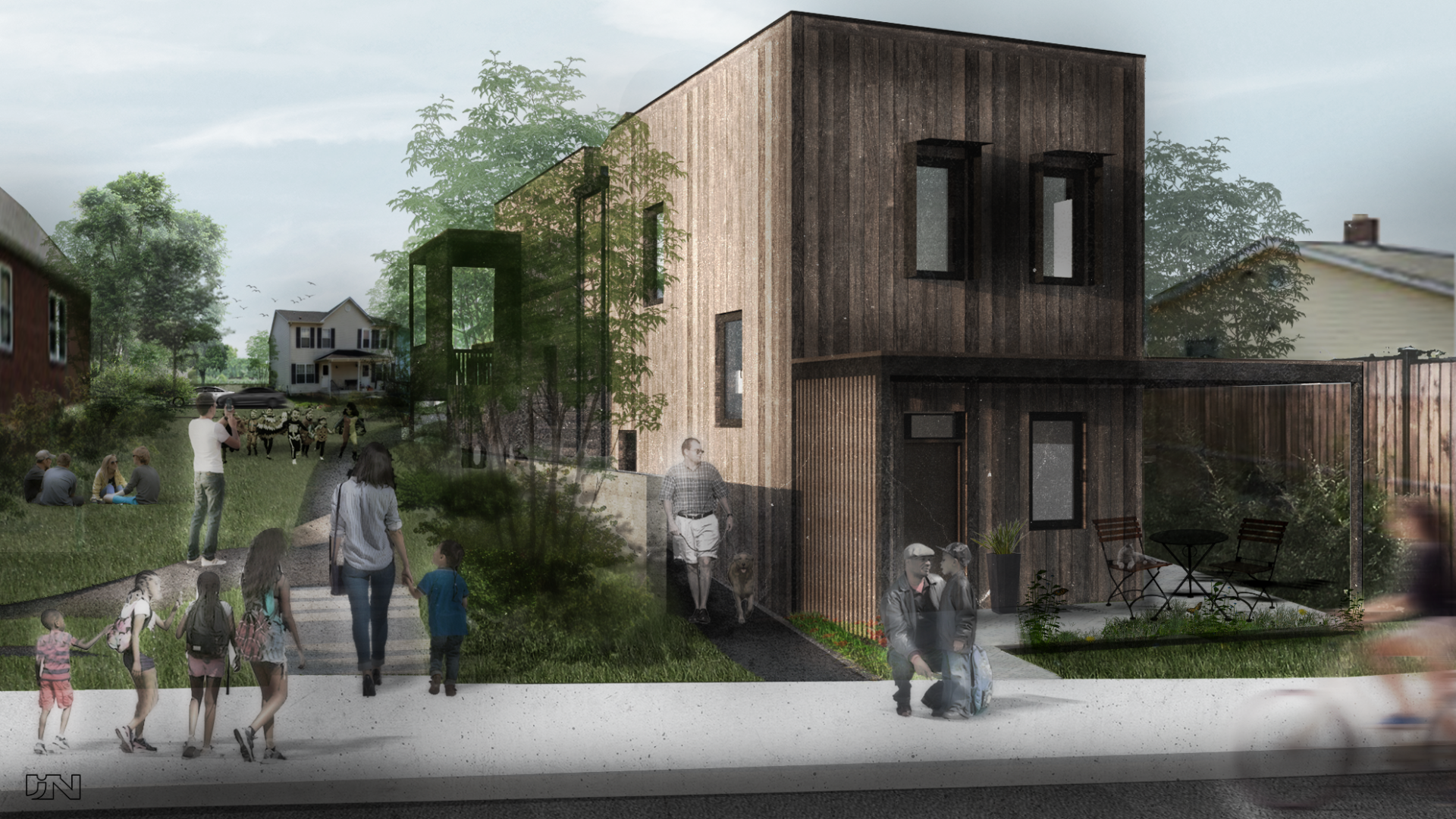
Another home created through the South Baltimore Community Land Trust. (Photos courtesy South Baltimore Community Land Trust/ J Neal Design)

“Collaborating with MD DHCD has been a meaningful step in that direction. Their partnership on projects aimed at eliminating concentrations of vacant properties and revitalizing neighborhoods has helped move important work forward,” she said. “While there is still much to be done, having MD DHCD at the table allows for more coordinated strategies and the potential for long-term, community-centered impact.”

Thomas said the overall efforts of Reinvest Baltimore have been crucial to create momentum for groups like SBCLT in their work to eliminate vacants and revitalize Baltimore’s neighborhoods. 

“Initiatives like Reinvest Baltimore are an important start in addressing the deep-rooted challenges of vacancy and disinvestment in our communities. They help align resources and bring attention to the need for targeted reinvestment in neighborhoods that have long been overlooked,” she said. “For our work, Reinvest Baltimore supports the broader vision of community ownership, permanently affordable housing, and equitable development.

“But it’s just the beginning — we need continued collaboration, sustained support, and bold policy and banking reform to ensure that housing is treated as a right for all. Only then can we truly eliminate concentrations of vacant properties and revitalize neighborhoods in a way that benefits current residents and legacy residents that want to return to communities they once grew up in.”

To learn more about Reinvest Baltimore and loans awarded through the Baltimore Vacants Reinvestment Initiative, visit https://dhcd.maryland.gov/Reinvest-Baltimore/Pages/default.aspx

###

Our mission at SBCLT is to create community led development without displacement and a just transition to zero waste in Baltimore. As we work together to create a healthy environment free of toxic incineration and dangerous dumping we are also building beautiful permanently affordable homes on democratically owned land to realize the communities we all deserve.

Today, we are pleased to share some amazing media coverage you may have missed on the momentum within Baltimore’s Community Land Trust movement to create the conditions we need to do this work at the scale required. As you read Jared Brey’s piece published at Next City, we have a couple immediate asks:

  • First, think of anyone (yourself included) who would like to learn more about community land trusts and permanently affordable housing in Baltimore and register for a monthly orientation sessions here.
  • Second, share our CLT homeowner interest form with anyone you know who is looking to gain stable, quality affordable homeownership in Baltimore.
  • Finally, take a step to get directly involved with building the movement for development without displacement and zero waste by signing up to volunteer with us. All skills, interests and time commitments are welcome!

Baltimore Land Trusts Plug Away at Vision for Development Without Displacement

by Jared Brey and originally published here at Next City in April 2021

Sometime later this year, or early next, the South Baltimore Community Land Trust will cut the ribbon on its first project: eight new, energy-efficient housing units behind Benjamin Franklin High School, sold to people in the Curtis Bay neighborhood who earn less than 50 percent of the area median Income, and kept affordable in perpetuity through community control of land. Like other land trusts, the SBCLT will maintain ownership of the land underlying the new homes and sell the improvements to low-income buyers. When those buyers decide to move out, they’ll split any equity they may have built with the land trust, which will then sell the house to another low-income buyer.

Meleny Thomas, executive director of the South Baltimore Community Land Trust, says the group is hoping to find buyers “that have roots in Baltimore city and understand the true beauty that we have here.”

“We hear so much negativity about Baltimore, but there’s some amazing things going on,” Thomas says. “And we want to make sure that our residents and the community can partake in what is happening.”

One of the “amazing things” happening in Baltimore is the evolution of the South Baltimore Community Land Trust itself, and other groups like it. Some of the land trust’s members got their start in activism as early as high school, organizing to prevent a new trash incinerator from being built in Curtis Bay. Over time, working with groups like United Workers, those organizers translated their efforts into a broader vision for “development without displacement” in communities like Curtis Bay. They were instrumental in campaigning to create the city’s new Affordable Housing Trust Fund, and later pressuring the city to put money into it. Those efforts are starting to show returns. Last month, the Baltimore Department of Housing and Community Development announced that it was awarding $2.25 million to three community land trusts, SBCLT among them, to support the development of 26 new units of housing. It’s the Trust Fund’s first award to community land trusts in Baltimore. And though the awards are modest, Thomas says, they directly support the improvement of the communities that helped create them.

“The reason grants like these are vital to community land trusts is because the subsidy is never wasted, but stays with the home to preserve and create long-term affordability,” Thomas says.

In addition to community land trusts, the Affordable Housing Trust Fund has so far helped to support construction and preservation of rental housing and inclusionary housing in multifamily projects. All of its awards are aimed at serving families that earn less than half of AMI, which, for Baltimore, equates to a cap of $52,000 a year for a family of four.

The Trust Fund is small. It hasn’t yet been able to meet the $20 million a year that advocates were pushing for. As of February, the Fund had collected a total of around $19.5 million since Fiscal Year 2019, and was anticipating spending between $16 million and $18 million a year, with around $12 million already committed. But it’s a good vehicle for supporting innovative projects that might not move forward without the extra support, says Matt Hill, an attorney with the Public Justice Center and commissioner for the city’s Affordable Housing Trust Fund. Projects like land trusts that invest in community control and shared equity have been prioritized in the Trust Fund’s spending plans for its first few years.

“Land trusts have this potential to really engage the community in a way that’s not just perfunctory, not just holding a meeting one time to get people’s input, but to have ongoing community control over their own development,” Hill says.

The Trust Fund is stocked partially by a transfer tax on property sales above $1 million, but so far, that tax has not generated as much as the city hoped. That may be in part because of how the pandemic affected the commercial real estate market, says John Mobley, the city’s Affordable Housing Trust Fund manager.

“Right when we got started, that’s when the coronavirus hit. We’re at about half of the revenue collection we expected originally,” Mobley says.

But even before the pandemic hit, the transfer tax was bringing in less than expected, according to Hill. That makes it extra critical that the Fund support projects that exemplify the type of housing, and development processes, that will most benefit Baltimore neighborhoods, Hill says.

“You’re reaching folks who often don’t have access to stable homeownership in the market, providing them that opportunity to build equity in a way that maintains affordability,” he says. “When we talk about Baltimore City residents wanting to participate more actively in the redevelopment of their neighborhoods, this is a really unique model that has massive benefits.”

For the South Baltimore Community Land Trust, the Trust Fund award of $750,000 is only part of the funding. The project also received $200,000 in state funding and another $200,000 from a city bond initiative, according to Thomas. It’s seeking another $350,000 in bond funding, along with some crowdfunding and potentially financing from the state Net Zero Loan Program, she says. The land trust expects to add two more homes in a second phase of the project.

In Curtis Bay, where the South Baltimore Community Land Trust is working, the neighborhood hasn’t really seen development of any kind in about 20 years, says Thomas. Hundreds of vacant homes and lots attract drug use and crime, she says, and of the occupied homes in the neighborhood, most are rentals. The push to develop new, affordable, for-sale housing is in fact connected to a longer campaign to create a Zero Waste Plan for the City of Baltimore, which was rooted in community activism to close a trash incinerator in South Baltimore, led by members of the SBCLT, as Next City has reported. The neighborhood has high rates of pollution, and life expectancy is lower in South Baltimore than other parts of the city.

“Where you live should not affect your health. It should not affect your lifespan. But it does,” Thomas says.

That’s part of why the group is pursuing passive-house energy efficiency standards in its first project, Thomas says. The homes will be designed to be airtight and well-insulated, and to keep energy costs low for occupants. In Curtis Bay, Thomas says, it’s as much a benefit to keep pollutants out of homes as it is to reduce energy consumption overall.

“We’re in a community with very high pollution,” Thomas says. “How can we create homes that will help, and not add to that burden?”

Thank you for your commitment and support to grow the movement in Baltimore and beyond.

Need Housing?

Start now by filling out our Housing Application Form. We will follow up with you and do our best to support you in your journey.

Our Newsletter

Always stay up-to-date.
Join our Newsletter.