Banner reports less garbage taken to landfill as result of SBCLT win

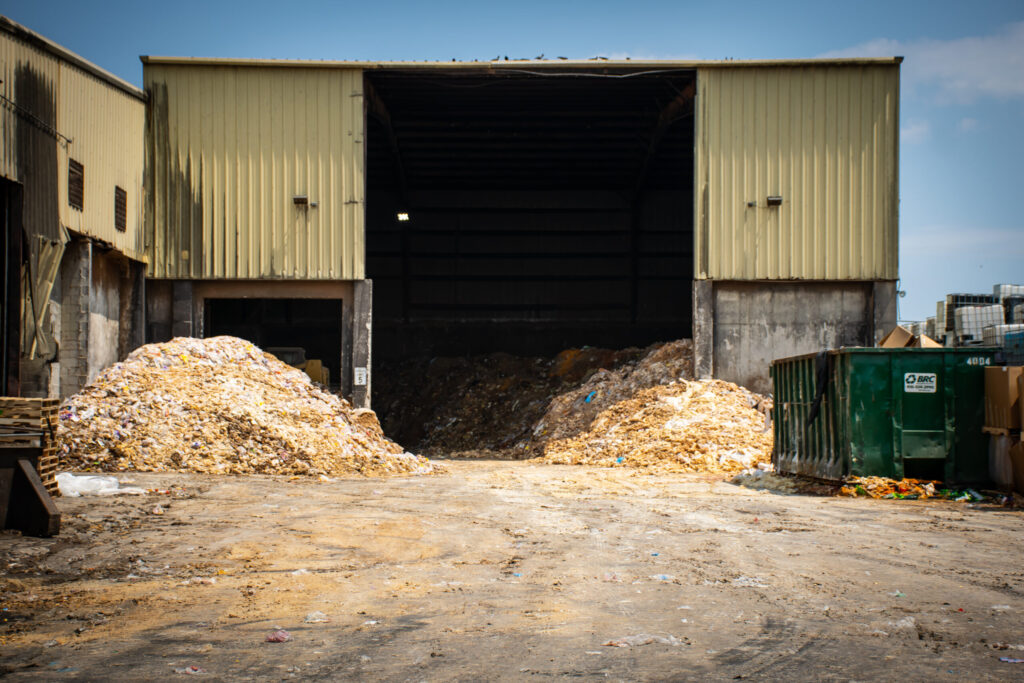
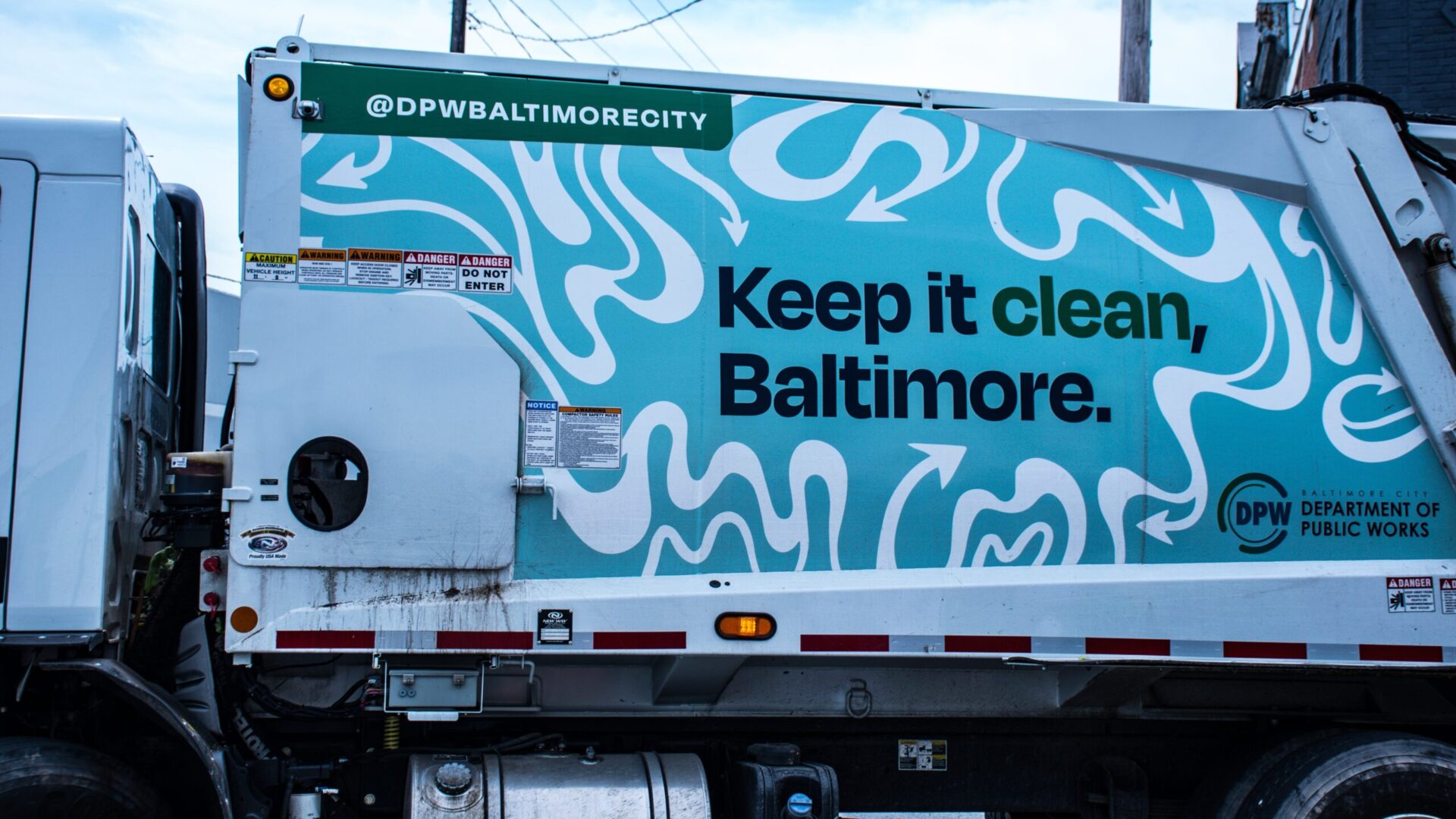
On March 3, 2026, the Baltimore Banner reported that the amount of garbage taken to the landfill in South Baltimore has decreased by HALF ever since the city increased their landfill fees.
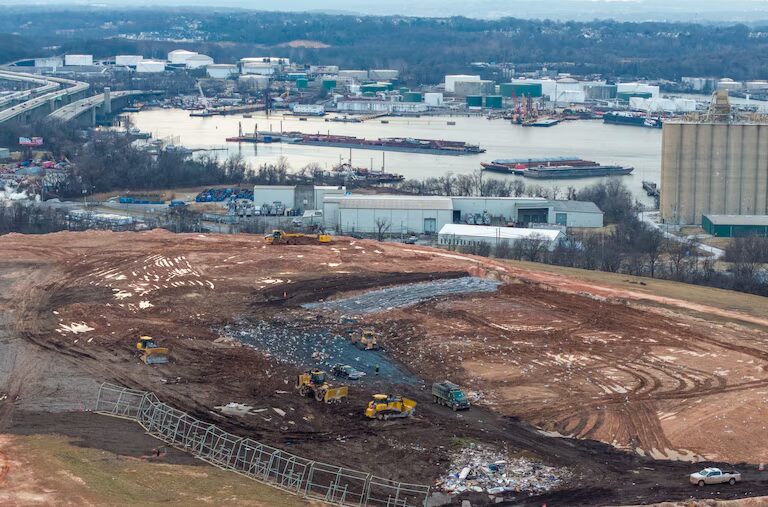
Photo from Jerry Jackson/The Banner

In October 2025, the city’s Board of Estimates voted to increase the tipping fees at the city’s Quarantine Road Landfill in South Baltimore. This was the first time these fees have increased since 1993, and the city made this change in response to SBCLT’s landmark civil rights complaint filed with the EPA in 2024. In our complaint, we made the case that Baltimore City has violated federal civil rights law by failing to move Baltimore away from its reliance on the incinerator, which harms and pollutes low-income neighborhoods in South Baltimore. The complaint specifically called for an increase in tipping fees at Quarantine Road.

While these are early results (again, the fee increase happened in October 2025, just a few months ago), we are pleased to see that this policy change that we pushed for has had tangible effects, moving us away from dependency on harmful waste practices. We’ll continue to watch this progress in the months and years to come.

Here at SBCLT, we believe that community is the power we need to hold leaders accountable and build a new systems that renew our neighborhoods and our planet. We’ll continue listening, researching, learning, and organizing in our communities, working together toward a future of environmental justice for all.

You can read the full Banner article here: After Baltimore increased fees, less trash came to its landfill

Our very own Carlos Sanchez is quoted in the article:

Carlos Sanchez, an organizer with the South Baltimore Community Land Trust, welcomed the news of declining landfill use but criticized what he called a “troubling lack of follow-through” by the city.

Sanchez’s organization filed a federal civil rights complaint in 2024 arguing that city leaders had failed to take adequate steps to phase out incineration and landfilling, leaving low-income communities of color to bear the air pollution burden. Within months, the U.S. Environmental Protection Agency opened an investigation.

In that complaint, activists called for an increase to the Quarantine Road tipping fee, and Sanchez said the recent change “demonstrates what is possible when residents organize and insist on accountability.”

Still, Sanchez has pushed for the city to stop using WIN Waste, in part to end the stream of incinerator ash to South Baltimore. That ash accounts for roughly a third of the waste dumped at the landfill each year.

Dear friends & community partners,

We are asking you to stand with us in strong support of the CHERISH Act this legislative session in Annapolis.

At the South Baltimore Community Land Trust, our commitment to this bill is rooted in lived experience. South Baltimore communities spent five years defeating a proposal to build the nation’s largest trash incinerator less than a mile from schools and homes in Curtis Bay — in a neighborhood already burdened by multiple pollution sources.

That fight revealed a glaring failure in public policy: despite overwhelming existing pollution, there were no protections to prevent new sources from being added to already overburdened communities. No cumulative impact safeguard. No line that said “enough.”

We won because the community took the lead — and a broad coalition stood behind that leadership to build the power required to stop an environmental injustice.

The CHERISH Act grows directly from that lesson. (Learn more about the bill in our January blogpost.) Community members formed the substance of this bill, defined the core principles as part of the MAJC coalition. If we want lasting protections against cumulative pollution, we must build the collective force to win again.


Here are four important ways you can help:

1. Sign your organization onto our group testimony

Add your organization’s name to our group testimony by the March 6 deadline to demonstrate to lawmakers that the CHERISH Act has broad, statewide support.

2. Submit written testimony

You may submit testimony as an individual or on behalf of your organization. Tell our lawmakers why this bill matters to you and your family! Every voice strengthens the case for this legislation.

3. Attend the hearings and help us pack the room

Let’s show lawmakers that our communities are paying attention. Wear green and help us pack the room at the Senate hearing (scheduled for Tuesday, March 3) and House hearing (scheduled for Monday, March 10). If you have questions about how to get to a hearing and what to expect, email jk****@********er.org.

4. Join the rally in Annapolis on March 17

Come out, bring your network, and help amplify the call for environmental justice! We will rally at 9:30AM on Tuesday, March 17 at Lawyers Mall in Annapolis to ensure that elected officials pass the CHERISH Act.

This is a critical moment. The strength of this bill depends on the strength of our coalition. Your participation—whether by signing on, testifying, or showing up—will make a meaningful impact.

Please reach out to gr**@***lt.org if you have any questions.

Our 2025 progress update covers highlights from our work during the period of July 2024-December 2025. Take a look inside to learn about our progress in housing justice, environmental justice, neighborhood organizing, and more!

The Henry & Jeanette Weinberg Foundation highlighted SBCLT in a blogpost on February 2, 2026 titled “What Is Community-Led Development? A Pathway to Long-Term Affordable Housing.” The blogpost focuses on community-led development as the approach that best enables communities to “strengthen their ability to plan for the long term — supporting affordability, stability, and alignment with local priorities.”

Here’s a brief excerpt:

Community-Led Development in Practice

Community-led development is not a single blueprint. It takes different forms depending on local context, community priorities, and available resources. What these approaches share is a commitment to resident leadership and stewardship.

Community land trusts are one of the most established and widely used models. This involves a nonprofit or trust holding land on behalf of a community, then renting or selling homes on the land at affordable rates. By separating land ownership from homeownership, land trusts help remove the cost of land from housing prices, preserving affordability for generations and protecting communities from displacement, particularly in expensive housing markets.

Several Foundation grantees use the community land trust model to preserve affordability and prevent displacement in ways that reflect local needs.

For example, following the 2023 Maui wildfires, Lahaina Community Land Trust aims to rebuild housing that will be affordable in perpetuity, ensuring residents can remain on the island. On Kauaʻi, two nonprofits — Kauaʻi Housing Development Corporation and Kauaʻi Habitat for Humanity — plan to develop affordable housing that will include a land trust component, as is grantee Permanently Affordable Living Hawaiʻi.

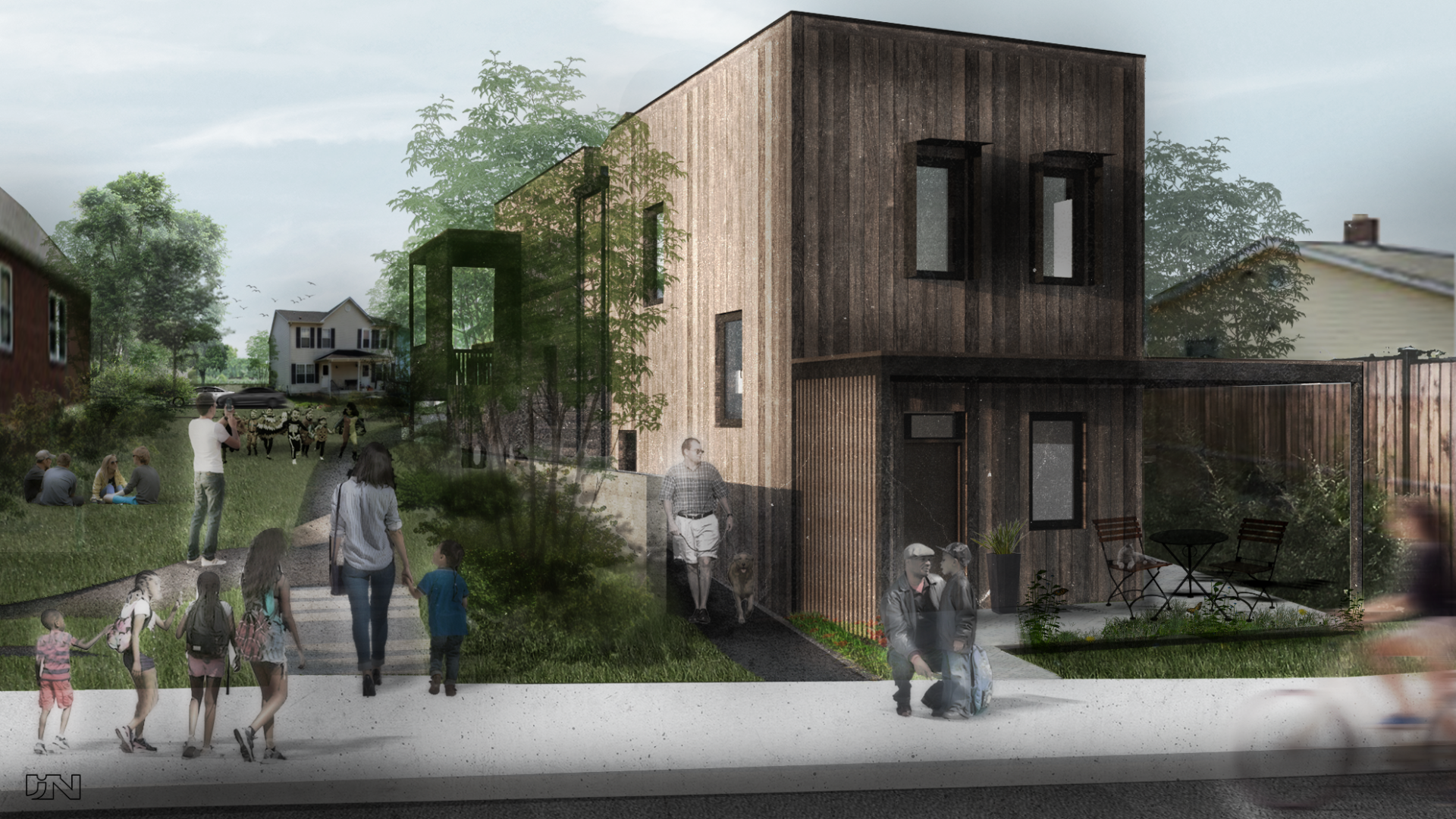
In Baltimore, South Baltimore Community Land Trust is working with residents to create permanently affordable housing without displacement. Through the renovation of vacant homes and the construction of new homes on vacant land, the organization is expanding housing opportunities while ensuring long-term affordability.H

You can read the blogpost in its entirety here:

We are grateful to the Henry & Jeanette Weinberg for their support over the years! To learn more about how YOU can support SBCLT’s vision for community-led development in Baltimore, visit our donate page.

The 449th session of Maryland’s General Assembly kicks off this week on Wednesday, January 14, 2026. We’re diving in head first for this year’s 90-day sprint to pass transformative legislation that will improve community health, combat systematic environmental devastation caused by state-enabled corporations, and move us toward a more just and equitable future for our youth. 

Last year, the CHERISH Our Communities Act made its way through the General Assembly as SB 978 / HB 1484 sponsored by Sen. Clarence Lam (D12) and Del. Jazz Lewis (D24), but stalled in House and Senate committees.

Since then, we’ve continued organizing, and we’re going all-in on the bill again this year with our ever-expanding coalition of environmental justice partners. The CHERISH Our Communities Act follows examples set by lawmakers in New Jersey, New York, and Minnesota to create new permitting requirements for facilities that have major environmental impact on nearby communities. It also gives Maryland Department of Environment a clear mandate—and the authority—to consider environmental justice when making permit decisions. 

If the bill passes in 2026, residents in the most polluted neighborhoods across the state will be protected from new facilities that would make the pollution problem even worse. Pollution from existing facilities will also have to decrease. Meanwhile, positive development that doesn’t harm people’s health will be free to thrive

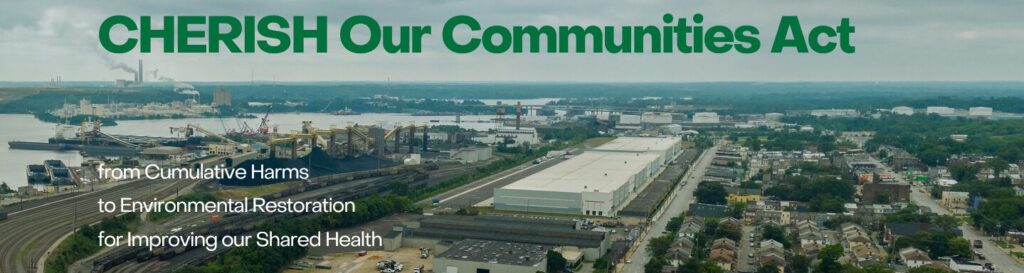
Fun fact: CHERISH was named by Carlos, SBCLT’s very own youth outreach specialist. CHERISH = from Cumulative Harms to Environmental Restoration for Improving our Shared Health

Take action to pass CHERISH in 2026 by following the links below!

Our second home renovation has hit the market!

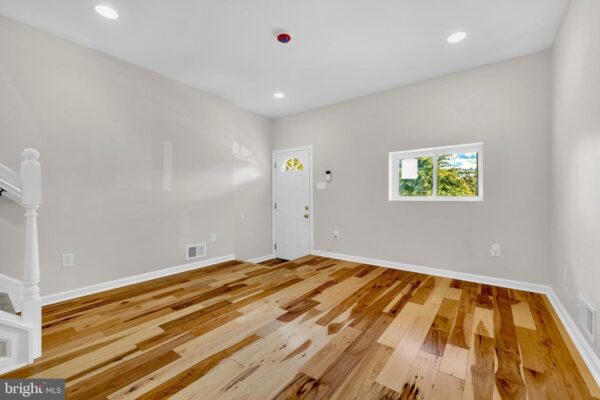
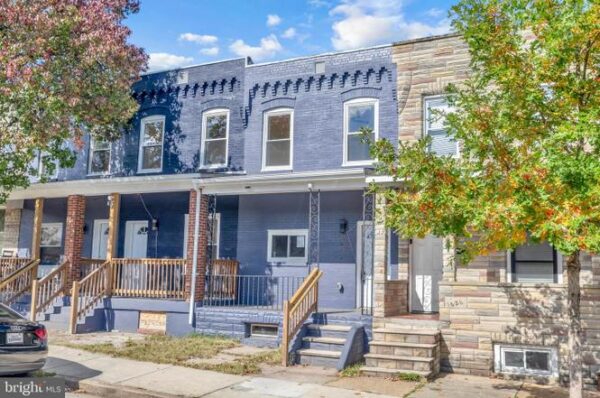
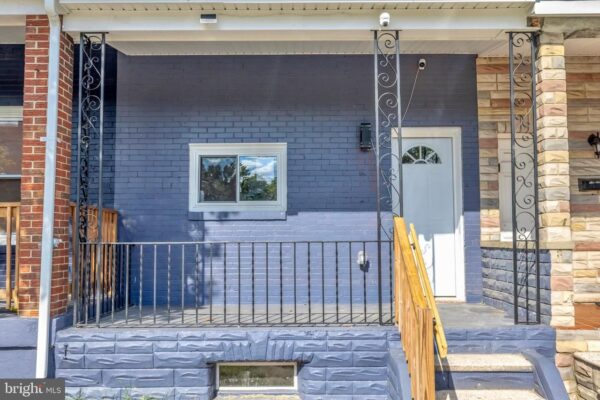
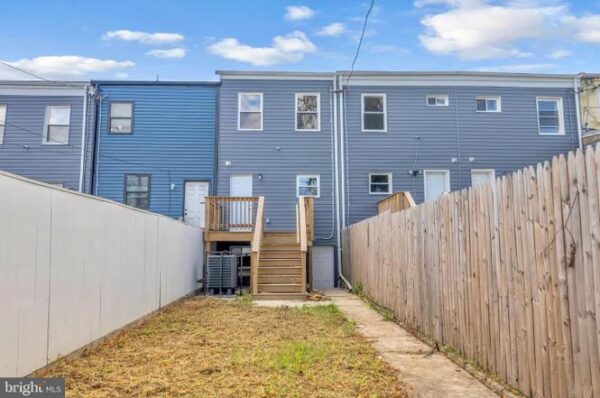
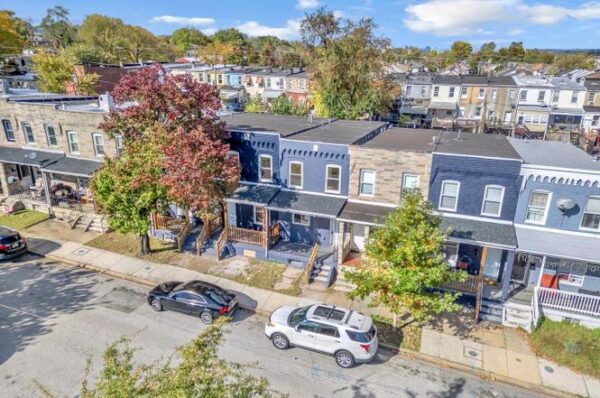
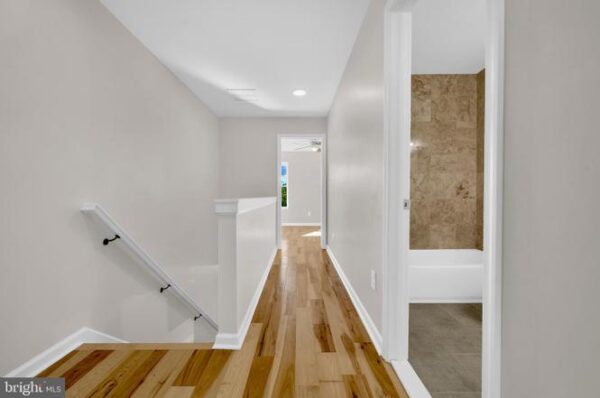
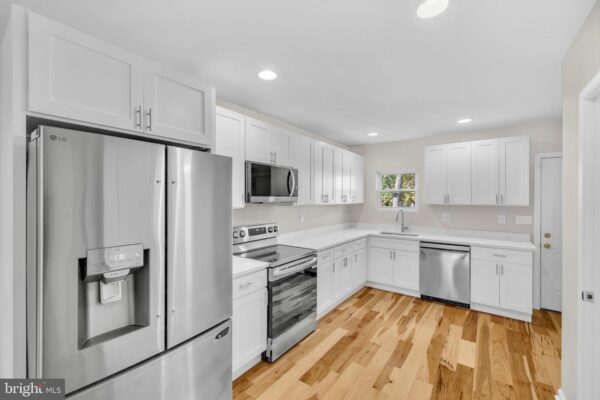
1626 Hazel Street is currently for sale. Interested buyers can reach out to our Stewardship Coordinator today to schedule a viewing and learn about what it means to buy from South Baltimore Community Land Trust.

This home is part of the block of homes that started it all: In 2017, a three-alarm fire displaced two dozen residents from the 1600 block of Hazel Street. When the city put the 9 damaged homes into receivership, our vision for community transformation started to take shape.

What if…

… we bought homes on the block and put them into a community land trust?
… we prevented speculators and malicious landlords from capitalizing on this tragedy?
… we kept these homes permanently affordable so that opportunities are handed down from generation to generation?
… we stewarded this neighborhood in a way that returns community power to the people who live here?

And that’s the origin story of the South Baltimore Community Land Trust!

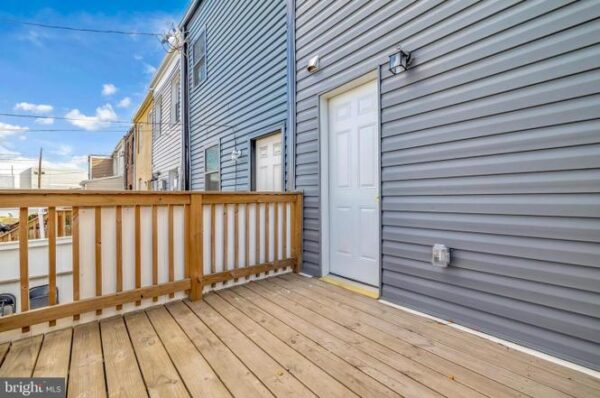
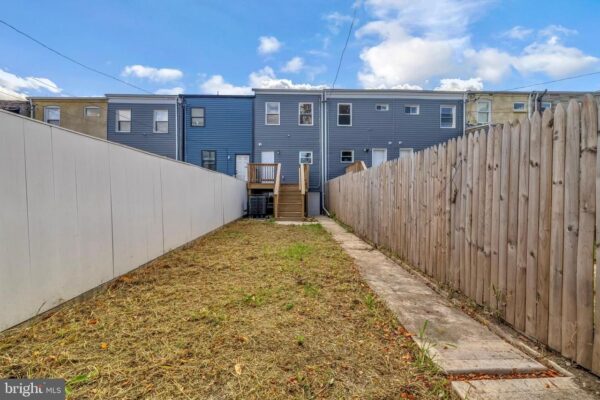
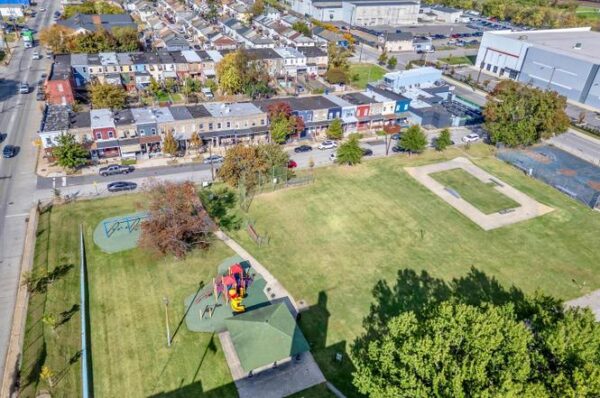
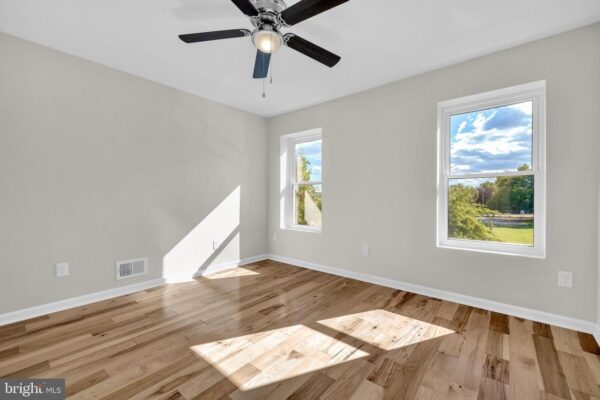
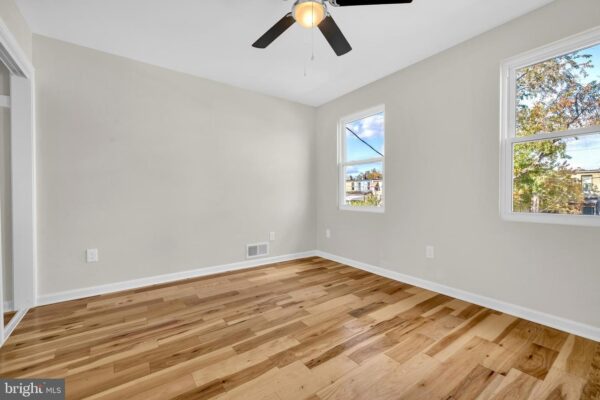
1626 Hazel Street is a beautiful 2 bedroom/1.5 bath renovation. It’s part of a cluster of SBCLT homes that overlook Curtis Bay Park — you’ll have a playground, picnic pavilion, and space for your dog to run around just out your front door. Plus, you’ll be just around the corner from the new South Baltimore Environmental Justice Center! View the real estate listing here, and let us know if you’re ready to explore homeownership with SBCLT.

Need Housing?

Start now by filling out our Housing Application Form. We will follow up with you and do our best to support you in your journey.

Our Newsletter

Always stay up-to-date.
Join our Newsletter.